
 by
by Pollution: Causes, Types, Effects and How We Can Prevent It
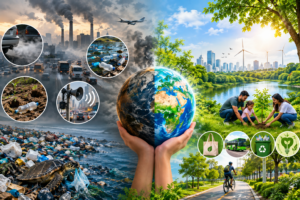
Pollution is one of the biggest environmental problems facing our world today. From the air we breathe to the water we drink and the land we depend on for food, pollution can affect almost every part of our lives. As cities grow, industries expand, vehicles increase, and plastic consumption rises, the pressure on our environment continues to grow.Pollution is not only an environmental issue. It can also affect human health, animals, plants, climate, and the overall quality of life. The good news is that pollution can be reduced when individuals, communities, industries, and governments work together.
Types of Pollution
Pollution can be divided into several major types. Each type affects the environment in a different way.
1. Air Pollution
Air pollution occurs when harmful gases, smoke, dust, and tiny particles enter the atmosphere. Vehicles, factories, construction activities, burning coal and petrol, and the burning of garbage are some common sources of air pollution. Poor air quality can make breathing difficult and may increase the risk of respiratory and cardiovascular problems. Air pollution can also affect animals, plants, buildings, and the climate.
Common causes of air pollution include:
- Vehicle emissions
- Factory smoke
- Burning of coal and other fuels
- Burning garbage and crop residue
- Construction dust
- Industrial chemicals
- Forest fires
2. Water Pollution
Water pollution happens when harmful substances enter rivers, lakes, oceans, groundwater, and other water sources.Industrial wastewater, sewage, agricultural chemicals, plastic waste, and oil spills are some common causes of water pollution. Polluted water can harm aquatic life and make water unsafe for drinking and daily use.Clean water is essential for humans, animals, agriculture, and ecosystems, which makes protecting our water sources extremely important.
3. Soil Pollution
Soil pollution occurs when harmful chemicals, plastics, industrial waste, pesticides, and other unwanted materials contaminate the soil. Excessive use of chemical fertilizers and pesticides can damage soil quality. Improper disposal of industrial and household waste can also introduce harmful substances into the ground. Healthy soil is important for agriculture and food production, so preventing soil pollution is essential for our future.
4. Noise Pollution
Noise pollution is caused by excessive or unwanted sound in the environment.Traffic, construction work, factories, loudspeakers, airplanes, and other activities can create high levels of noise.Continuous exposure to loud noise can affect sleep, concentration, communication, and overall well-being. It can also disturb birds and other animals.
5. Plastic Pollution
Plastic pollution has become a major environmental concern because plastic products can remain in the environment for a very long time. Plastic bags, bottles, packaging materials, straws, and other single-use products often end up in streets, drains, rivers, and oceans. Animals can accidentally eat plastic or become trapped in it. Plastic waste can also break down into tiny particles known as microplastics, which can spread through ecosystems.
Major Causes of Pollution
There is no single cause of pollution. It is usually the result of many human activities.
Industrial Activities
Factories and industries can release smoke, chemicals, wastewater, and solid waste into the environment when these materials are not properly controlled or treated.
Transportation
Cars, buses, trucks, motorcycles, ships, and airplanes consume fuel and can release pollutants into the atmosphere.
Improper Waste Disposal
Throwing garbage on roads, in open areas, drains, rivers, or other public places can create serious environmental problems.
Deforestation
Cutting down forests reduces the natural ability of ecosystems to absorb carbon dioxide and maintain environmental balance. Deforestation can also contribute to soil erosion and loss of wildlife habitats.
Agriculture
Agricultural activities can contribute to pollution through excessive use of pesticides, fertilizers, and water resources.
Population Growth and Urbanization
As cities become larger, the demand for transportation, housing, energy, water, and other resources increases. Without proper planning and waste management, this growth can increase pollution.
Effects of Pollution on Human Health
Pollution can have both short-term and long-term effects on human health. Air pollution, for example, can irritate the eyes and throat and can make breathing difficult. Long-term exposure to certain pollutants can contribute to serious health problems. Water pollution can increase the risk of diseases when contaminated water is consumed or used without proper treatment. Noise pollution can interfere with sleep, concentration, and daily activities. This is why reducing pollution is not just about protecting nature. It is also about creating healthier communities for people.
Effects of Pollution on the Environment
Pollution can disturb ecosystems and damage the natural resources on which life depends.Some
major environmental effects include:
- Damage to forests and vegetation
- Death of aquatic animals
- Loss of biodiversity
- Contamination of soil and water
- Damage to wildlife habitats
- Reduced air and water quality
- Disturbance of ecosystems
- Contribution to climate change
When one part of an ecosystem is damaged, it can affect many other plants and animals connected to it.
How Can We Prevent Pollution?
Pollution cannot be solved overnight, but small actions taken consistently can make a meaningful difference.
Reduce the Use of Plastic
Try to avoid unnecessary single-use plastic products. Carry reusable shopping bags, bottles, and containers whenever possible.
Use Public Transportation
Using buses, trains, cycling, walking, or carpooling can help reduce the number of vehicles on the road and lower transportation-related emissions.
Plant and Protect Trees
Trees help support ecosystems and provide habitats for wildlife. Planting trees is useful, but protecting existing forests is equally important.
Dispose of Waste Properly
Garbage should be separated and disposed of through appropriate waste-management systems. Recyclable materials should be recycled whenever possible.
Save Electricity
Using electricity efficiently can reduce the amount of fuel required to produce energy, particularly where electricity generation depends on fossil fuels.
Keep Water Sources Clean
Do not throw plastic, chemicals, food waste, or other garbage into rivers, lakes, ponds, and drains.
Spread Environmental Awareness
Education can encourage people to understand the consequences of pollution and adopt environmentally responsible habits.
Role of Individuals in Controlling Pollution
Every person has a role to play in protecting the environment. We often think that pollution can only be controlled by governments or large companies, but individual choices also matter. Simple habits such as carrying reusable bags, avoiding unnecessary plastic, saving water, reducing food waste, using public transportation, planting trees, and keeping our surroundings clean can contribute to a healthier environment. When millions of people make small changes, the combined impact can be significant.
Role of Government and Industries
Individuals alone cannot solve the pollution problem. Governments and industries also have an important responsibility. Governments can create and enforce environmental regulations, improve public transportation, develop waste-management systems, protect forests, and encourage clean energy. Industries can reduce pollution by using cleaner technologies, treating wastewater, managing industrial waste responsibly, and improving energy efficiency. A cleaner environment requires cooperation between citizens, businesses, scientists, communities, and governments.
Conclusion
Pollution is a serious challenge, but it is not an impossible problem to solve. The environment provides us with clean air, water, food, and natural resources, so protecting it is our responsibility. Reducing pollution requires changes in our daily habits as well as larger changes in industries, transportation, energy production, and waste management. A cleaner future begins with awareness and action. If we take care of our environment today, we can create a healthier and safer world for future generations.
Protect the environment today because the quality of tomorrow’s world depends on the choices we make now.
Frequently Asked Questions About Pollution
What is pollution?
Pollution is the contamination of the environment by harmful substances or activities that negatively affect humans, animals, plants, and ecosystems.
What are the main types of pollution?
The major types include air pollution, water pollution, soil pollution, noise pollution, and plastic pollution.
What is the biggest cause of pollution?
Many human activities contribute to pollution, including transportation, industrial activities, burning fossil fuels, improper waste disposal, agriculture, and deforestation.
How can we reduce pollution?
We can reduce pollution by using less plastic, saving energy and water, using public transportation, recycling waste, planting and protecting trees, and disposing of waste properly.
Why is pollution dangerous?
Pollution can damage human health, contaminate natural resources,harm wildlife, reduce biodiversity, and disturb ecosystems.
